
Well Senior Blog

Choosing a healthcare power of attorney
Your healthcare power of attorney (HCPOA) is an individual you trust to speak for you when you are unable to voice your own decisions: A car accident, surgery, coma, dementia. In such circumstances, doctors need someone who knows you well and has had conversations with you to guide them in terms of the medical procedures…
Read More
What is a “life plan community” (aka “CCRC”)?
Life plan communities—sometimes called “continuing care retirement communities” (CCRCs)—are private communities that offer residents a full range of care levels, depending on need. For those in independent living, amenities such as a golf course, gym, pool, and tennis and pickle ball courts are typically provided. Some communities even offer college-level classes, a salon, and grocery…
Read More
Living apart together
Can two households be better than one? In a trend called “living apart together” (LAT), a growing number of older adults are experimenting with committed relationships that also allow for autonomy. These are people who prefer intimacy and companionship in their lives. At the same time, marriage—or even living together—brings more entanglements than they want…
Read More
Medicare: Wellness and prevention
If you are used to having an “annual physical” and ask for that, original Medicare won’t pay for it. That is, original Medicare won’t pay doctors to do a general physical exam “to see what turns up”; you’ll pay out of pocket. (Medicare Advantage might have this as an “extra.” Check with your plan.) Medicare…
Read More
Making friends in later life
We tend to think friendships should grow organically. They don’t. Particularly in our later years, when we often lose friends—to death, illness, or moving away—we need to be much more intentional about making new ones. This is especially so for “solo agers,” those without children and grandchildren. The younger generations in the family typically make…
Read More
What is IRMAA?
When Medicare first began in 1965, the idea was that it was for everyone over age 65, not just those who were poor. There would be no stigma. Things are different now. We live longer. Medical costs are rising. In 2003, Congress decided that those with higher incomes should chip in extra to share the…
Read More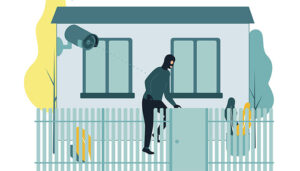
Crime proofing your home
Seniors experience property crime thirteen times more often than violent crime. Burglary is the most common. (Interestingly, it typically occurs between noon and 4:00 pm!) The average loss is roughly $3,000, although that does not account for the emotional impact: A profound sense of violation and vulnerability. October is Crime Prevention Month. There are things…
Read More
Sharing your home
There are many advantages to having a housemate: Defraying expenses. Sharing household chores. Help with transportation. Companionship. Increased safety. Peace of mind. In a survey of older adults who shared their homes, 50% said that since gaining a housemate, they are happier, sleep better, are getting out more, and they call upon their families less…
Read More
Saying “no” when your kids ask for money
Once you’ve decided it’s unwise to give or lend money to children—or grandchildren—think through how you want to communicate your decision. Money is often equated with love. Even if this is a loving decision (e.g., you’ve determined that giving or lending them money is encouraging something unhealthy), how and when you decline is important for…
Read More